
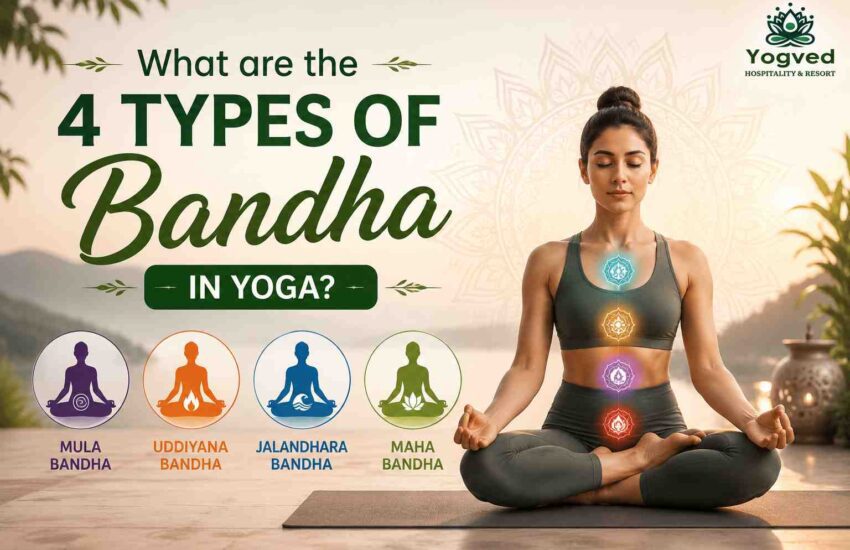
Yoga is way more than just stretching your body or improving flexibility. It’s a complete practice that connects your mind, body, and breath. One of the lesser-known but highly effective techniques in yoga is Bandha. If you have attended advanced yoga courses or explored pranayama, you might have heard your instructor mention Bandhas. The word Bandha comes from Sanskrit and means lock or bind. In yoga, Bandhas are gentle muscular locks used to control the flow of your energy and support posture. They help you direct the life force of your body, also known as prana, to where it is needed the most.
What is Bandha in Yoga?
Bandha is basically a controlled muscle contraction performed while beating or holding certain yoga poses. You can think of it like creating gentle internal support for your body. Instead of using force, Bandhas rely on awareness and control. When practiced correctly, they help improve stability and breathing.
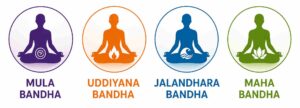
Mula Bandha
It is often known as the first Bandha that you learn. It focuses on the muscularity of the pelvic floor. This Bandha involves gently contracting the muscle between the tailbone and pubic bone, similar to stopping the flow of urine. It is a subtle movement that should never feel tight or uncomfortable. You need to sit comfortably with your spine straight and take a few slow, deep breaths. As you exhale, gently tighten your pelvic floor muscles and hold the contraction while breathing naturally.
Uddiyana Bandha
It lifts energy upward by creating a gentle vacuum inside your abdomen. It is practiced after fully exhaling the breath. It is different from abdominal exercises as this Bandha is not about tightening your muscles forcefully. Instead, it involves drawing your abdomen inward and upward. This has strengthened deep core muscles, improved posture, and also supported healthy digestion.
Jalandhara Bandha
It is also known as throat lock. This Bandha is commonly practiced during breathing exercises. It involves lowering the chin gently towards your chest while keeping the spine long. Regular practice helps you support meditation, increase concentration, and promote calmness.
Maha Bandha
It is known as the great lock because it combines all the Bandhas together. When practiced together, these Bandhas create a balanced flow of energy throughout your body. Maha Bandha is considered an advanced yoga technique, and you should only attempt it after becoming comfortable with three individual Bandhas. It improves your overall body awareness, enhances breath control, and increases focus during meditation.
Tips for Learning Bandhas Safely
If you’re just starting, keep these tips in mind:
- Learn from a certified yoga teacher.
- Practice on an empty stomach.
- Focus on smooth, relaxed breathing.
- Start with one Bandha at a time.
- Avoid pain or discomfort.
- Stay relaxed throughout the practice.
- Listen to your body.
- Progress slowly.
With regular practice, Bandhas become easier and more natural.
So you need to know that Bandhas are one of the most valuable yet ignored practices of yoga. Rather than just relying on strength alone, they teach you how to work with your breath, posture, and inner awareness. If you are new to Bandhas, you can start with the basics and take your time. The techniques are subtle, and mastering them takes time and regular practice.
Also Read: What Is Panchakarma in Ayurveda? Benefits, Process Explained
